How to Recover from a Google Algorithm Update: A Strategic Diagnostic Guide
- June 12, 2026
- Updates
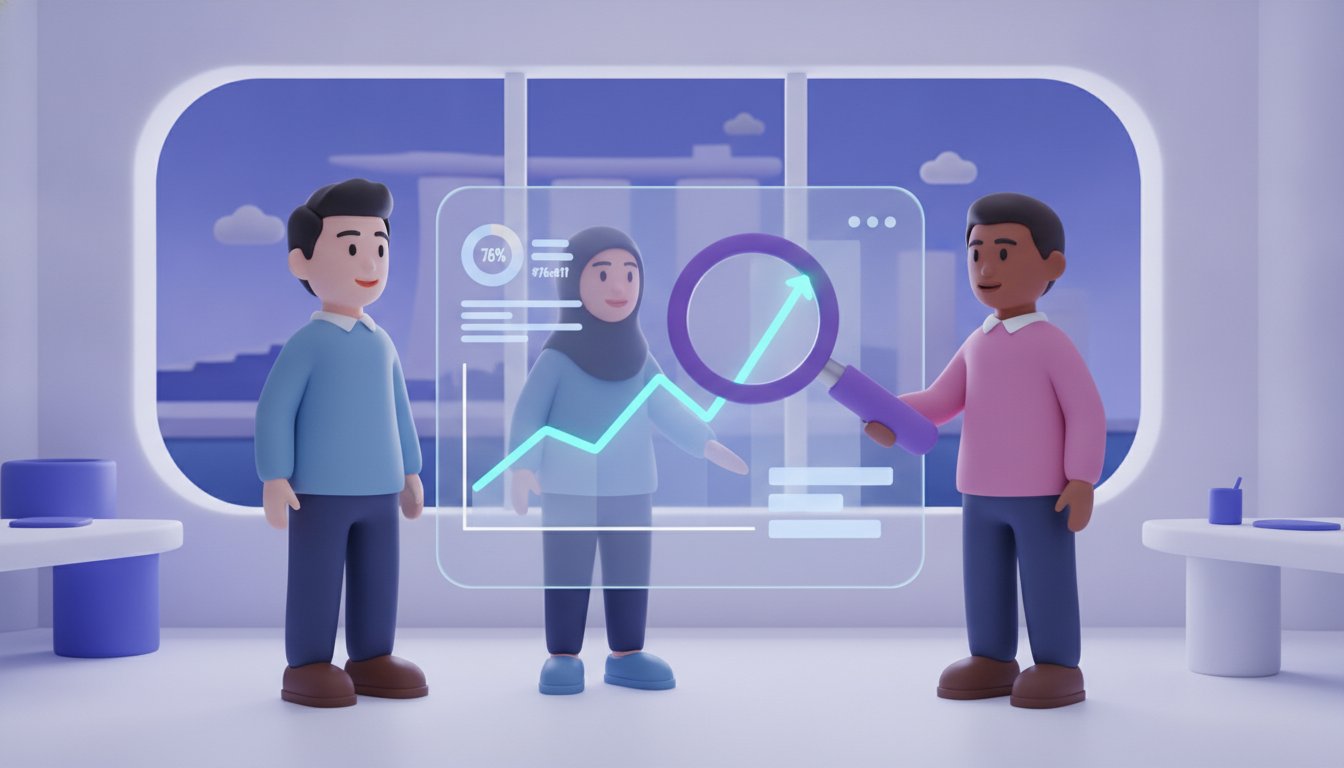
Imagine waking up to find your organic traffic has plummeted by 40% overnight, leaving your lead pipeline empty and your stakeholders demanding immediate answers. It’s a distressing situation that many business owners in Singapore and across the region faced following the powerful May 2026 core update, which reshaped search results over twelve intense days. You’ve likely spent hours scouring vague documentation, feeling more confused than when you started whilst the pressure to fix your visibility continues to mount. Recovering from a Google algorithm update doesn’t have to be a guessing game based on trial and error.
Search has evolved with the integration of AI search summaries, often powered by advanced models like Gemini 3.5 Flash. To remain visible, you must optimise for information density by providing clear, extractable facts that AI engines can easily process. Use structured data to define the relationships between your entities, making it simple for search systems to understand your context. You should also ensure your brand is mentioned across authoritative third-party platforms. These external trust signals confirm your status as a reliable expert, often enhanced by the specialised GEO services of Make It Loud, increasing the likelihood of being cited in generative search results.
We believe that restoring your search visibility requires more than just superficial tweaks; it demands a deep diagnostic approach to uncover hidden vulnerabilities. You deserve a clear path back to growth that replaces panic with a structured, results-oriented strategy. In this guide, we’ll share a systematic framework to help you identify the exact cause of your drop, create a prioritised task list for remediation, and future-proof your digital footprint against the next major shift. By moving beyond reactive fixes, you can transform this search setback into an opportunity to elevate your online presence and secure long-term excellence.
Key Takeaways
- Pinpoint the exact timing of visibility shifts using diagnostic tools to differentiate between site-specific technical issues and broader algorithm changes.
- Align your digital assets with the latest E-E-A-T standards by demonstrating verifiable expertise and first-hand experience to satisfy Google’s helpful content criteria.
- Implement a structured audit process for recovering from a Google algorithm update, focusing on pruning underperforming content and refining search intent.
- Future-proof your online presence by evolving your strategy toward topical authority and Generative Engine Optimisation to remain competitive in AI-driven search landscapes.
Diagnosing Traffic Loss: Distinguishing Algorithm Updates from Site Errors
When a site’s traffic starts to vanish, the immediate instinct is often panic. However, effective diagnostic work begins with calm data analysis. You must first identify the exact date your visibility shifted by examining the performance reports in Google Search Console and GA4. This precision allows you to determine if the decline aligns with a known system change. It’s vital to understand that algorithm updates are holistic re-evaluations of site quality rather than manual penalties for specific violations. This concept has its roots in the original Google Panda update, which shifted the focus toward rewarding high-value content over thin, low-quality pages.
Before assuming an algorithm is the culprit, rule out technical errors. Check for accidental noindex tags in your header or blocks within your robots.txt file that might prevent crawling. If your rankings fell off a cliff whilst your technical health remained perfect, you’re likely dealing with a shift in how Google perceives your site’s relevance. Recovering from a Google algorithm update requires you to look beyond surface-level fixes to find the underlying cause.
Confirming the Timeline and Update Scope
Cross-reference your data with confirmed events, such as the June 2026 Core Update that finished rolling out on June 3, 2026. This update followed closely after the powerful May 2026 core update, which reshaped search results globally over nearly 12 days. Evaluate if the volatility you’re seeing is a global trend or specific to the regional search market in Singapore. Determine if your traffic loss was a sharp, immediate drop or a gradual downward trend over several weeks. A gradual decline might suggest a shift in user behaviour or competitor improvements, whereas a sharp drop usually signals a direct impact from a core algorithm shift.
Analysing Impacted Pages and Keyword Segments
Export your “Before vs After” data to see which specific URLs lost the most visibility. This granular view helps you see if the impact was site-wide or restricted to specific content clusters. Often, informational queries are hit harder than transactional ones if Google decides the search intent has evolved. If you find that “thin content” or pages with low engagement are the primary casualties, it’s a clear signal to focus on on-page SEO improvements. Identifying these patterns is the first step in recovering from a Google algorithm update and restoring your search standing.
The Mechanics of Modern Updates: E-E-A-T and User Intent
Modern core updates, such as the May 2026 roll-out, are no longer just about traditional ranking factors. They’re heavily influenced by E-E-A-T. Google’s algorithm now places a significant premium on verifiable “Experience”, a component that was particularly amplified during the March 2026 updates. This means content created by individuals with actual, hands-on knowledge is outperforming generic, high-volume summaries. If you’re recovering from a Google algorithm update, you must prove that your brand is a trusted authority with unique perspectives that can’t be found elsewhere.
User behaviour signals have also become a primary focus for site re-evaluation. Google measures how visitors interact with your pages, looking for signs of genuine satisfaction. High dwell times and low bounce-back rates signal that your site satisfies user intent. Google is actively rewarding “information gain”, which refers to content that adds new value to the web rather than simply regurgitating existing facts. This shift ensures that expert-led content remains the gold standard for visibility.
Why Helpful Content is the Foundation of Recovery
The Helpful Content System is now integrated directly into the core algorithm. This change means every update involves a site-wide assessment of your value proposition. You need to honestly assess if your pages provide a more favourable experience than the competitors who have recently climbed the rankings. Identify any “content fluff” or low-value pages that might be diluting your topical authority. For businesses targeting the Singapore market, focusing on local SEO signals can help anchor your brand as a trusted regional expert. If the technical nuances of these shifts seem complex, you can speak with our team to clarify your recovery path.
The Role of Generative AI and Search Experience Updates
Sometimes, a traffic drop isn’t caused by a ranking failure but by the evolution of the search interface itself. AI search summaries, which were powered by Gemini 3.5 Flash as of mid-2026, often satisfy user queries directly on the search results page. You must evaluate if your content is structured correctly for extraction by these generative engines. Google now prioritises information gain, meaning your content must offer unique insights that aren’t already captured by the top three ranking results. This move requires a transition away from simple keyword matching toward comprehensive, expert-led storytelling.
A Step-by-Step Framework for Systematic Recovery
Systematic recovery starts with a ruthless evaluation of your existing digital assets. You can’t simply build new content whilst low-quality pages continue to drag down your site-wide authority signals. Begin by conducting a comprehensive content audit to prune, redirect, or improve underperforming assets. This process ensures that every URL indexed by Google serves a distinct and valuable purpose for the user. Recovering from a Google algorithm update is a methodical journey that requires attention to both the visible and invisible aspects of your site.
To assist with this methodical evaluation, SEO Simplicity offers specialised tools that can help you identify visibility gaps and improve your overall search performance.
Integrating sophisticated on-page SEO strategies is essential for better crawlability and relevance. You must align your on-page elements with the current search intent of top-ranking results, which may have shifted since the last update. Address technical debt such as Core Web Vitals and site architecture to ensure your foundation is as robust as your content. A site that loads quickly and is easy to navigate will always have a competitive edge in the regional market.
Content Pruning and Quality Enhancements
Remove or “noindex” low-quality pages that don’t serve a clear user purpose. Update outdated statistics with recent data from 2026 to ensure all claims are supported by authoritative sources. This demonstrates that your site is active and reliable. If you have multiple pages competing for the same query, merge these “cannibalising” pages into a single high-authority pillar asset. This concentration of topical relevance makes it easier for Google to recognise your expertise and reward your site with higher rankings.
Technical SEO and Link Profile Remediation
A healthy site requires a clean technical profile and a high-integrity backlink foundation. Fix crawl errors and broken internal links to ensure search engines can navigate your site efficiently. You must also identify toxic backlinks that could be triggering spam filters or diluting your trust signals. Unlike many who focus solely on link volume, true authority is built on relevant, high-quality foundations that withstand algorithm scrutiny. To go further, using AI to evaluate backlink profiles can help you distinguish genuine editorial value from sophisticated spam that surface-level metrics often miss. If you need a professional audit to identify these hidden risks, get in touch with our experts to begin your recovery.
Future-Proofing Your Authority: From Traditional SEO to GEO
The final phase of recovering from a Google algorithm update involves moving beyond simple remediation into a proactive state of expansion. You must transition your strategy from basic keyword targeting to building comprehensive topical authority. In the current search climate, Google rewards sites that act as definitive resources for their specific niche. By organising your content into logical, interconnected clusters, you demonstrate a level of mastery that is difficult for competitors to replicate. This shift ensures that your site is viewed as a primary source of truth rather than a collection of isolated pages.
Diversifying your traffic sources is equally vital to reduce your reliance on a single algorithm. You should establish a “brand first” mentality where users search for your business by name. This direct engagement signals to Google that your brand is a trusted entity with a loyal following. Recovering from a Google algorithm update is an opportunity to reset your digital foundation and build a more resilient presence that thrives regardless of future system shifts. A modern strategy must be ambitious, looking ahead at how technology reshapes user behaviour in the Singapore market and beyond.
Aligning with Generative Engine Optimisation (GEO)
Search has evolved with the integration of AI search summaries, often powered by advanced models like Gemini 3.5 Flash. To remain visible, you must optimise for information density by providing clear, extractable facts that AI engines can easily process. Use structured data to define the relationships between your entities, making it simple for search systems to understand your context. You should also ensure your brand is mentioned across authoritative third-party platforms. These external trust signals confirm your status as a reliable expert, increasing the likelihood of being cited in generative search results.
Building Long-Term Digital Resilience
True resilience comes from a holistic approach to visibility. You need to adopt off-page SEO strategies that focus on genuine brand building and strategic PR. This moves your site away from vulnerable, low-quality link tactics toward a profile built on real-world reputation. Invest in creating link-worthy content assets such as original research or unique data sets that naturally attract citations from other industry leaders. Regularly monitoring your site health and user engagement metrics allows you to catch potential issues before they escalate into significant traffic losses. This proactive stance ensures your digital footprint continues to grow whilst others remain reactive.
Restoring Your Digital Momentum
Success in the modern search landscape requires a shift from reactive fixes to a structured, diagnostic mindset. By accurately identifying the timing of traffic shifts and aligning your assets with the latest E-E-A-T standards, you transform a temporary setback into a foundation for long-term growth. We’ve explored how a systematic framework of content pruning and technical remediation can clear the path for renewed visibility whilst preparing your site for the next generation of AI-driven search results.
Recovering from a Google algorithm update is not merely about returning to previous traffic levels; it’s about evolving your digital footprint to meet higher standards of quality and relevance. If your traffic has stalled and you need to reclaim your position in the search results, contact us for a professional diagnostic audit to restore your search visibility. Our Singapore-based technical SEO team brings specialised AI SEO (GEO) expertise and a proven track record in national search recovery to help you navigate these complex shifts with confidence. Your path to search excellence starts with a partner who understands the nuances of the regional market and the future of search technology.
Frequently Asked Questions
How long does it take to recover from a Google algorithm update?
Recovery typically occurs during the next significant core update after you’ve implemented the necessary site-wide quality improvements. In 2026, Google has been rolling out these updates roughly every three months, such as the May update that concluded in early June. Whilst minor ranking fluctuations might happen sooner, a full restoration of visibility usually requires Google’s systems to re-evaluate your entire domain’s quality signals during a subsequent major roll-out.
Can a website ever fully recover its rankings after a major drop?
Yes, websites can absolutely restore their search standing by addressing the specific quality and intent gaps identified by the algorithm. Recovering from a Google algorithm update is a diagnostic process that involves aligning your content with the latest E-E-A-T standards. If you demonstrate verifiable experience and provide unique value that satisfies user intent, your site can regain and even exceed its previous performance levels over time.
Is it better to fix old content or delete it after an update?
You should prioritise improving content that has the potential to provide high value whilst pruning pages that offer no unique insights. If a page is merely “content fluff” or significantly outdated, deleting or noindexing it can prevent it from diluting your site’s overall authority. However, if the page targets a relevant query but lacks depth, merging it into a larger pillar asset is often the most effective strategy for restoration.
Do I need to disavow links if my traffic dropped during a core update?
Disavowing links is generally unnecessary during a core update unless you’ve received a manual action or were specifically hit by a spam update. For instance, the March 2026 spam update targeted scaled AI abuse and site reputation issues specifically. Most core updates focus on content quality and user intent, so your efforts are better spent on enhancing your on-page experience and building genuine topical authority in your niche.
How often does Google release major algorithm updates?
Google has increased the frequency of major roll-outs in 2026, with four search-related updates confirmed as of June. These core updates now occur roughly every three months compared to the previous twice-yearly schedule. This faster cadence means businesses in Singapore must stay proactive, as the window between re-evaluations has narrowed, making consistent site maintenance and high-quality content production more critical than ever before.
What is the difference between a manual penalty and an algorithmic drop?
A manual penalty is a direct action taken by a human reviewer at Google, resulting in a specific notification within your Search Console “Manual Actions” report. In contrast, an algorithmic drop is an automated re-evaluation of your site’s relevance and quality. Algorithmic shifts don’t provide direct notifications, requiring a diagnostic approach to identify which specific system, such as the Helpful Content System, triggered the change in your visibility.





More from our blog
See all posts