OpenAI’s Move Into Ads: What’s Changing in ChatGPT?
- May 8, 2026
- Updates
The Inevitable Shift: Ads Arrive in ChatGPT
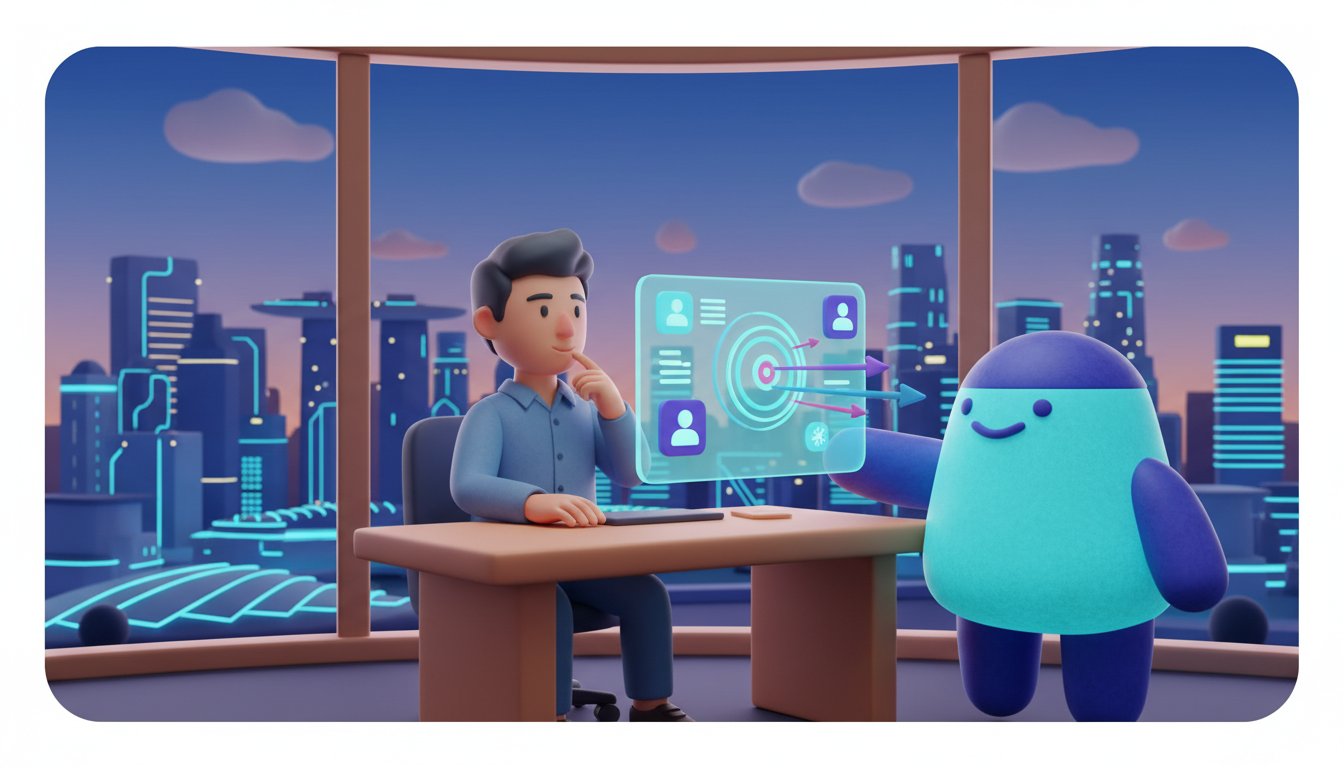
The digital landscape is on the cusp of another significant transformation. OpenAI has confirmed it is exploring a new monetisation model for ChatGPT, one that moves beyond subscriptions and into the realm of advertising. While still in the early stages, this move signals a fundamental shift in how we interact with generative AI and carries profound implications for users, businesses, and the future of search marketing. The introduction of ads within the world’s most popular AI chatbot was perhaps inevitable, driven by the immense computational costs required to power such sophisticated technology.
For businesses in Singapore, this development is not just a headline; it is a preview of a new marketing frontier. Understanding what is changing, why it matters, and how to prepare is essential for maintaining a competitive edge. This is not merely about a new place to run ads; it is about the evolving relationship between information, user intent, and commercial messaging in an AI-first world. (Search engine optimization (SEO))
How Will Advertising Function Within the AI Chat Interface?
OpenAI has indicated that its approach to advertising will be subtle and value-driven, aiming to enhance the user experience rather than disrupt it. The goal is to present ads that are genuinely useful and relevant to the conversation. While the exact format is still under development, we can anticipate several potential models based on current industry trends.
- Contextual Sponsored Links: Similar to traditional search engine ads, ChatGPT could display sponsored links when a user’s query indicates commercial intent. For example, a query about “best accounting software for small businesses” might yield a response that includes a clearly labelled sponsored link to a relevant provider.
- Enhanced Business Profiles: OpenAI is testing a feature that allows ChatGPT Plus users to explore GPTs with a single click. This could evolve into a system where businesses can enhance their profiles or models, ensuring they appear for relevant prompts.
- Sponsored Mentions: A more integrated approach could involve the AI mentioning a specific brand or product directly within its generated response, again with clear disclosure. The key will be maintaining transparency to preserve user trust.
The core principle is that ads should feel like a natural extension of the conversation. OpenAI’s CEO, Sam Altman, has emphasised that the goal is to create a model where both users and advertisers feel they are receiving significant value, a delicate balance that will determine the success of this new venture. (in-depth technical SEO audit)
Analysing the Impact on Users and Information Quality
The primary concern for any user of ChatGPT is the potential for ads to compromise the quality and impartiality of its responses. The platform’s appeal lies in its ability to provide direct, seemingly unbiased information without the clutter of traditional search engine results pages. The introduction of commercial interests creates a natural tension with this core promise.
To succeed, OpenAI must navigate this challenge carefully. Success will depend on: (comprehensive technical SEO audit)
- Unambiguous Labelling: All advertising content must be clearly and transparently marked as such. Users need to be able to distinguish instantly between an organic AI-generated response and a paid promotion.
- Preserving Relevance: The relevance and quality of sponsored results are paramount. If ads lead to a poor user experience or provide irrelevant information, users will quickly lose trust in the platform.
- Maintaining Core Functionality: The free, ad-supported version must remain a powerful and reliable tool. If its core utility is diminished to push users towards a paid subscription, it could alienate a significant portion of its user base.
The Strategic Implications for Singaporean Businesses
For marketers and business owners in Singapore, OpenAI’s move into advertising opens up a powerful new channel to reach engaged audiences. As users increasingly turn to AI for answers and recommendations, establishing a presence on these platforms becomes a strategic imperative. This is not just about a new advertising placement; it is about positioning your brand within the new discovery ecosystem.
However, a paid strategy is only one part of the equation. The most sustainable long-term approach involves optimising your digital presence to be recognised and cited by AI models organically. This is the foundation of a new discipline focused on ensuring your brand’s expertise is visible to large language models (LLMs). To learn more about this emerging field, it is crucial to understand what is AI SEO? A comprehensive guide to the future of search can provide foundational knowledge.
Early adopters of ChatGPT advertising may gain a significant advantage, but a holistic strategy that blends paid visibility with organic authority will ultimately drive the most sustainable growth.
Adapting Your Digital Strategy for an Ad-Supported AI Future
The rise of ad-supported AI does not mean the end of established digital marketing principles. Rather, it elevates their importance. As platforms like ChatGPT become new gateways to information, the signals they use to determine authority and trustworthiness become more critical than ever.
To prepare your business for this shift, focus on these core pillars:
- Double Down on Content Quality: Create expert-led, comprehensive, and well-structured content that directly answers the questions your target audience is asking. AI models prioritise clear, authoritative information.
- Embrace Technical Excellence: Ensure your website is fast, secure, and easily crawlable. Technical health is a key factor in how search engines—and by extension, the AI models built on them—perceive your site’s quality.
- Build Digital Authority: Strengthen your brand’s reputation through consistent, high-quality engagement across relevant digital channels. This helps establish your business as a trusted entity in its field.
This evolution inevitably leads to questions about the longevity of traditional methods, prompting many to wonder, is SEO dead? The answer is no, but it is transforming. The fundamentals of creating value for users remain the same, but the channels for delivering that value are expanding. OpenAI’s move into advertising is a clear indicator that the future of digital marketing will be a blend of human-centric content and AI-driven discovery.
LATEST POSTS
View all projects


More from our blog
See all posts